
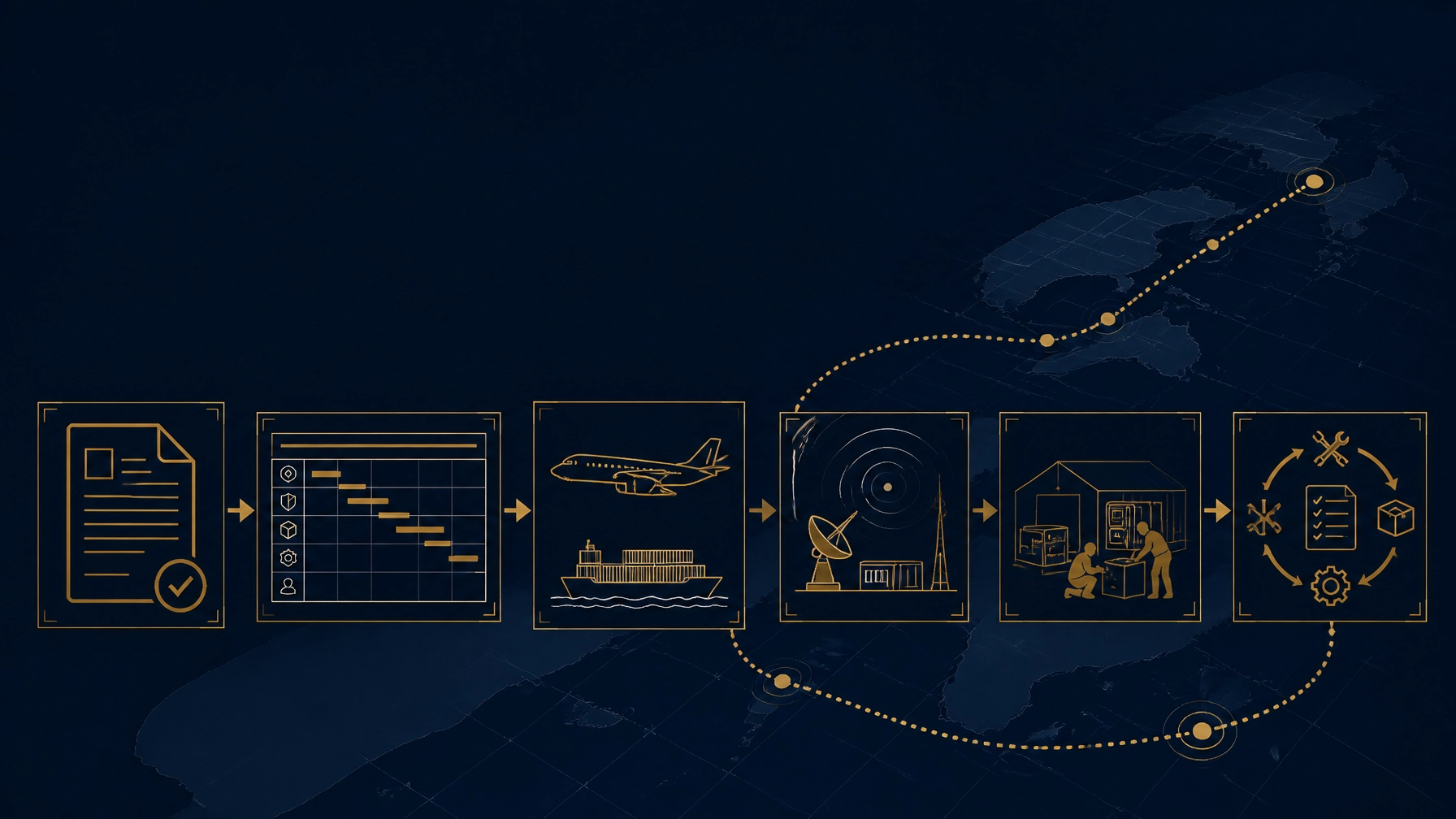
Figure 1. OCONUS execution is an integrated operating system: not a shipment, a résumé, or a capability statement.
Throughout military history, successful campaigns have depended on more than the objective itself. Commanders required a plan, reliable supply lines, disciplined personnel, communications, and the ability to sustain operations after the initial movement. OCONUS government contracting follows the same rule.
A company may have an excellent product, experienced engineers, or a strong capability statement. That is not enough. Overseas government work requires a complete strategy that connects mission requirements to design, compliance, capital, deployment, performance, sustainment, and closeout.
At The Infinity Group, we approach this work as Business Development Architects. Strategy + execution = funding and growth. We help companies, prime contractors, and subcontractors position for government opportunities, develop partners, prepare for capture and proposals, plan capital, and support execution from beginning to end.
Start With the Mission Requirement
The first question is not, “What do we sell?” The first question is, “What must the customer accomplish, where, and under what operating conditions?”
An OCONUS requirement may involve communications, logistics, construction, medical support, cybersecurity, aircraft or vehicle maintenance, training, infrastructure, technical integration, or long-term base operations. Each mission creates different demands for:
- Location and theater conditions;
- Host-nation law and Status of Forces Agreement considerations;
- Security, medical, transportation, and life-support assumptions;
- Data, equipment, and technical-support requirements;
- Workforce rotation and availability;
- Delivery timelines and operational dependencies;
- Sustainment, replacement, and closeout responsibilities.
The requirement must be translated into a solution architecture. That architecture should define the work breakdown structure, performance measures, acceptance criteria, staffing model, logistics chain, reporting process, and cost drivers.
This is where many companies lose ground. They offer equipment when the customer needs availability. They offer labor when the customer needs an integrated service. They describe features when the government is evaluating mission outcomes.
Architect the Full Lifecycle
An OCONUS strategy should be built as a lifecycle, not as a sequence of last-minute actions.

Figure 2. The eight-stage OCONUS contracting lifecycle should be designed before proposal submission.
1. Requirement Definition
Identify the agency, contracting activity, end user, theater, operating environment, incumbent structure, and likely acquisition path. Study sources-sought notices, forecasts, prior awards, contract vehicles, task orders, and partner capabilities.
2. Solution Design
Develop the technical and operational approach. Define what will be delivered, how it will be installed, how it will be accepted, and how it will remain available under field conditions.
3. Compliance Planning
Build a compliance matrix that maps each contract clause and regulatory obligation to an accountable person, internal process, training requirement, and evidence file.
For designated operational areas or certain diplomatic and consular missions, FAR 25.3 and FAR 52.225-19 may apply to contractor personnel operating outside the United States. These provisions can affect conduct, incident reporting, government support, security coordination, and other personnel responsibilities. The contract must be reviewed carefully; assumptions should not be carried forward from a CONUS engagement.
4. Logistics
Plan procurement, packaging, freight, customs documentation, import requirements, warehousing, spares, local delivery, and reverse logistics. A shipment that cannot clear customs is not a logistics success. A replacement part that arrives after the operational window is not a sustainment plan.
5. Deployment
Create a mobilization schedule covering travel, visas, site access, training, medical readiness, equipment movement, communications, local coordination, and contingency actions.
6. Installation and Integration
Installation is more than putting equipment in place. It includes configuration control, testing, documentation, user training, acceptance, cybersecurity hardening, and transition to operations.
7. Sustainment
Define preventive maintenance, help desk support, repair cycles, spares, technical refresh, reporting, workforce rotations, and performance management. The government customer is buying dependable mission support: not merely initial delivery.
8. Closeout
Closeout should address property, data, records, export-controlled material, equipment return, final reporting, personnel redeployment, lessons learned, subcontractor reconciliation, and continuing warranty or support obligations.
Treat Compliance as an Operating Function
OCONUS work brings multiple compliance systems together. They cannot be delegated to a final-page checklist.
Insurance and DBA. FAR Subpart 28.3 addresses insurance requirements, including workers’ compensation obligations and the treatment of insurance for contracts performed outside the United States. Depending on the contract, employee status, location, and applicable law, Defense Base Act coverage may be required. DBA costs, claims processes, reporting responsibilities, and coverage limits must be evaluated and priced before proposal submission. A qualified insurance and legal professional should confirm the requirement.
OFAC and sanctions. The Office of Foreign Assets Control administers sanctions programs that may affect countries, entities, individuals, banks, carriers, suppliers, and local partners. Screening should be built into partner selection, payment, procurement, shipping, and subcontract administration. A local intermediary is not automatically acceptable simply because the company has used it before.
ITAR and export controls. Equipment, software, technical data, and defense services may be subject to ITAR, the Export Administration Regulations, or other controls. The company must identify the jurisdiction and classification of each item, determine whether authorization is required, and account for reexports, retransfers, temporary imports, and access by foreign persons. The DDTC Public Portal provides official information regarding ITAR registration, licensing, and defense trade compliance.
Customs and import requirements. U.S. Customs and Border Protection emphasizes shared responsibility between government and the importing/exporting community. Documentation, classification, valuation, country of origin, broker coordination, and host-nation rules should be addressed before movement. Review the CBP Basic Importing and Exporting guidance and theater-specific requirements.
Cybersecurity and CUI. OCONUS operations may involve Controlled Unclassified Information, operational data, remote administration, connected equipment, and distributed users. Contract requirements may include DFARS clauses such as DFARS 252.204-7012, along with other cybersecurity and incident-reporting obligations. NIST SP 800-171 provides a recognized framework for protecting CUI in nonfederal systems. CISA cyber threat and response resources provide additional guidance for vulnerability management, incident response, and resilience.
Build the Partner and Capital Strategy Early
A prime contractor needs dependable subcontractors. A subcontractor needs a credible route to the prime. Both need a plan for working capital, insurance, payroll, inventory, mobilization, licensing, and delayed payment cycles.
Partners should be evaluated for more than technical skill. Review:
- Theater experience and local operating knowledge;
- Compliance systems and past performance;
- Workforce depth and replacement capacity;
- Accounting, timekeeping, and reporting maturity;
- Logistics and customs relationships;
- Cybersecurity readiness;
- Financial capacity;
- Ability to accept flowdowns and audit requirements.
JPI Worldwide and its publicly available Insights materials and additional resource pages are useful examples of the broader OCONUS themes companies must consider, including deployed personnel, pricing, export and customs exposure, DBA, data governance, and execution risk. The current JPI Insights page also demonstrates the value of maintaining a consistent public knowledge platform. Any specific teaming or resource relationship must be separately validated for scope, capability, compliance, and contractual fit.
The Infinity Group supports this broader architecture through government-market positioning, consulting and proposal strategy, technical operations, partner development, capital planning, and execution support. We help clients determine what must be funded before award, what evidence must be developed before proposal submission, and which partners can close the gaps.
A Practical OCONUS Readiness Framework
Use the following framework before committing proposal resources:

Figure 3. A complete strategy connects the mission, people, compliance environment, and sustainment system.
- Mission: Is the requirement, customer outcome, theater, and operating environment clearly defined?
- Solution: Are design, installation, integration, acceptance, and performance measures documented?
- People: Are staffing, rotations, training, visas, medical readiness, and replacement capacity planned?
- Partners: Are prime, subcontractor, local, logistics, insurance, legal, and technical roles established?
- Compliance: Are FAR, DFARS, FAR 52.225-19, DBA, OFAC, ITAR/EAR, customs, host-nation, and cyber requirements mapped?
- Capital: Can the company fund mobilization, inventory, payroll, insurance, licensing, and early operating costs?
- Sustainment: Are spares, maintenance, reporting, help desk, technical refresh, and contingency plans funded?
- Evidence: Can the company prove readiness through policies, past performance, training records, systems, pricing support, and partner documentation?

Figure 4. Proposal readiness depends on evidence across every operating pillar.
If the answer is “not yet,” the next step is not to make a larger promise. The next step is to close the readiness gap.
Strategy + Execution = Funding and Growth
OCONUS government contracting rewards disciplined preparation. The return is not created by the capability statement alone. It is created when requirement definition, market positioning, partner development, proposal readiness, capital planning, compliance, deployment, and sustainment operate as one system.
What is the value of investing in readiness before the solicitation: or the next task order: arrives? What is the cost of discovering after award that insurance, export approval, staffing, customs, or cash flow was never properly planned?
The Infinity Group can help you review the opportunity, structure the strategy, identify partners, prepare the pursuit, develop the capital plan, and support execution from A to Z. Contact us at connect@infinity-us.com to discuss your OCONUS contracting requirements, readiness priorities, fees, and next steps.
BUILD THE STRATEGY.
EXECUTE THE MISSION.
FUNDING AND GROWTH FOLLOW DISCIPLINE.
General information only. This article is not legal, export-control, insurance, cybersecurity, accounting, or contracting advice. Requirements vary by contract, agency, location, personnel status, and operating environment. Obtain advice from qualified professionals before acting.
Editorial status: Draft for review. Comments and replies are disabled.
Sources and Further Reading
- FAR Subpart 25.3 : Contracts Performed Outside the United States
- FAR 52.225-19 : Contractor Personnel in a Designated Operational Area
- FAR 28.301 : Insurance Policy
- U.S. Department of Labor : Division of Longshore and Harbor Workers’ Compensation
- OFAC Sanctions Programs and Country Information
- DDTC Public Portal : Defense Trade Controls
- U.S. Customs and Border Protection : Basic Importing and Exporting
- NIST SP 800-171 : Protecting Controlled Unclassified Information
- CISA : Cyber Threats and Response
- DFARS 252.204-7012
- JPI Worldwide
- JPI Worldwide Insights
- JPI Worldwide Resources
- JPI Insights
- The Infinity Group Government Expertise
- The Infinity Group Consulting Services
- The Infinity Group Contact
